

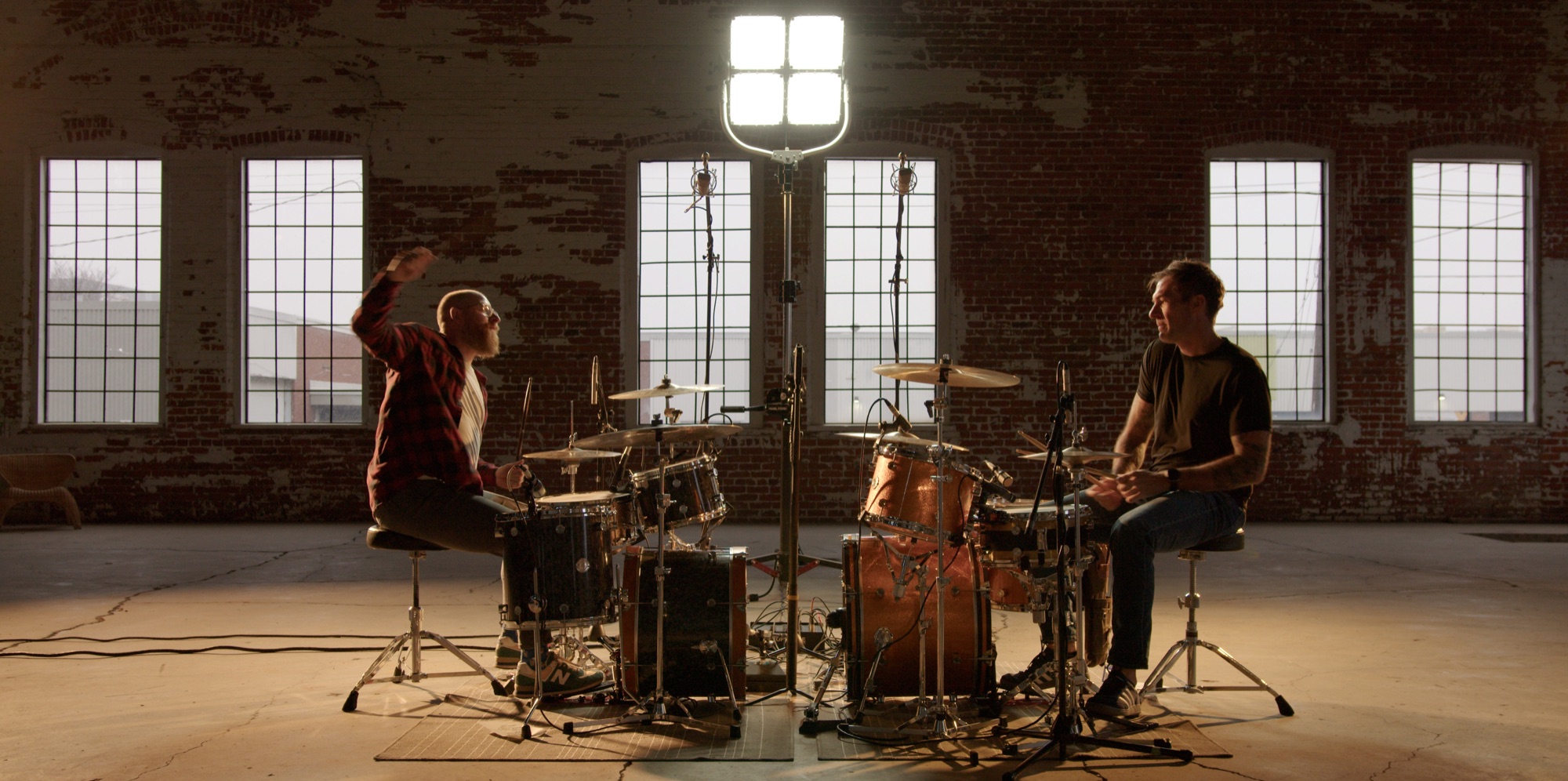
Drummer to Drummer is exactly what it sounds like – drummers, talking drums. Host Adam Nimmo sits across a pair of kits with a biweekly guest to talk shop, then they double drum to a medley of their band’s best songs. Recent guests include drummers from Broken Social Scene, Arkells, The Reklaws, Sam Roberts Band, and The Trews.
Coming back after the hiatus
The show had gone quiet for a few years when I came on as co-producer with a simple brief: make it land like it never left. That would take a few months of planning and coordination between myself here in Ontario with host and co-producer Adam Nimmo living in Nova Scotia.
Two rooms, a light crew, heavy hitters
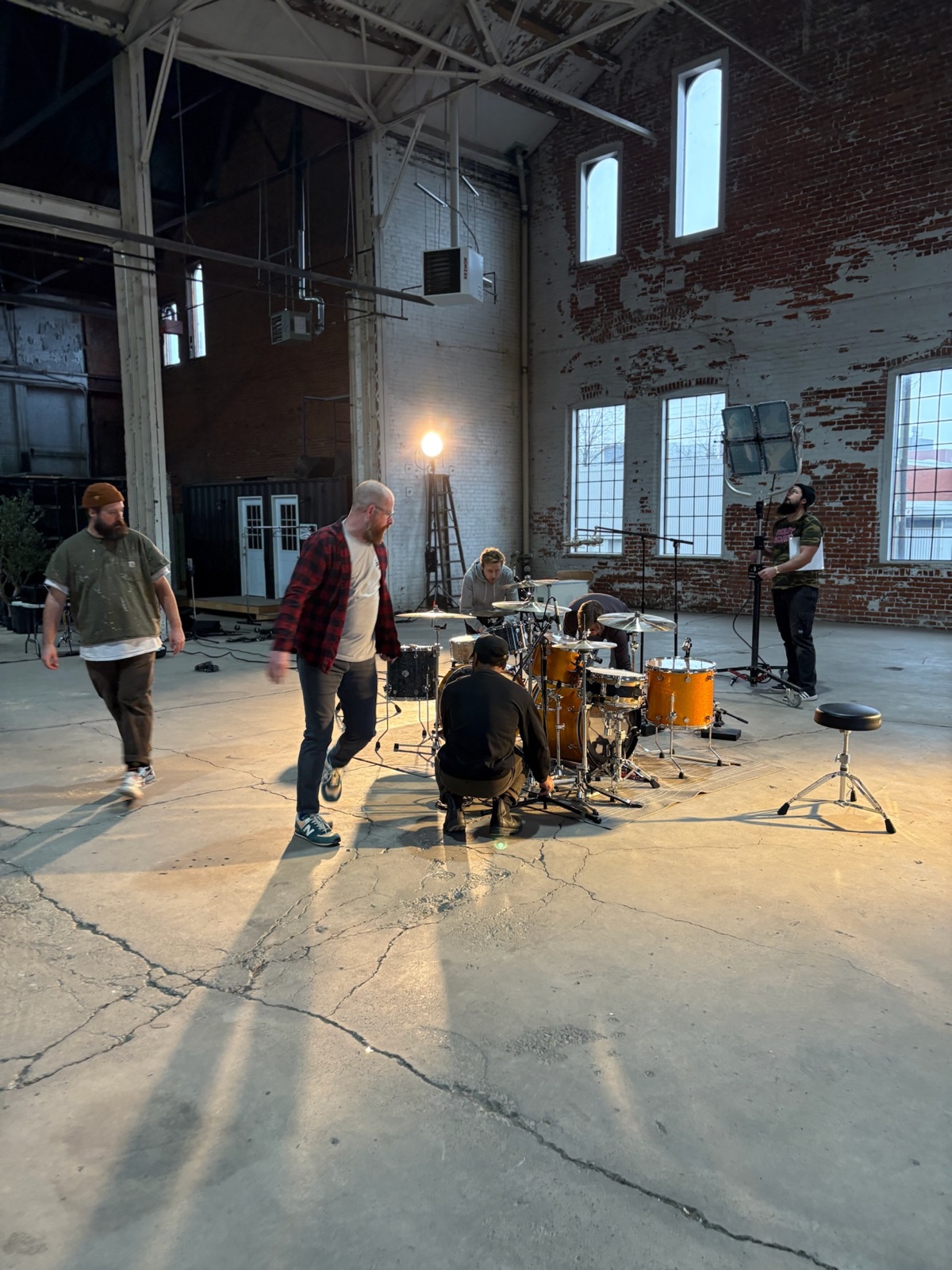
We shot in two main locations – DC Music Studios in Toronto and Evil Empire Studios in Hamilton (both excellent to work with by the way). We kept the crew deliberately small. Directing from the floor, the goal was to play into the space and give an open natural feel to drum sessions and conversations alike. In the latter case, the final cuts ended up with as much behind-the-scenes banter as interview answers.
Rigged from every angle
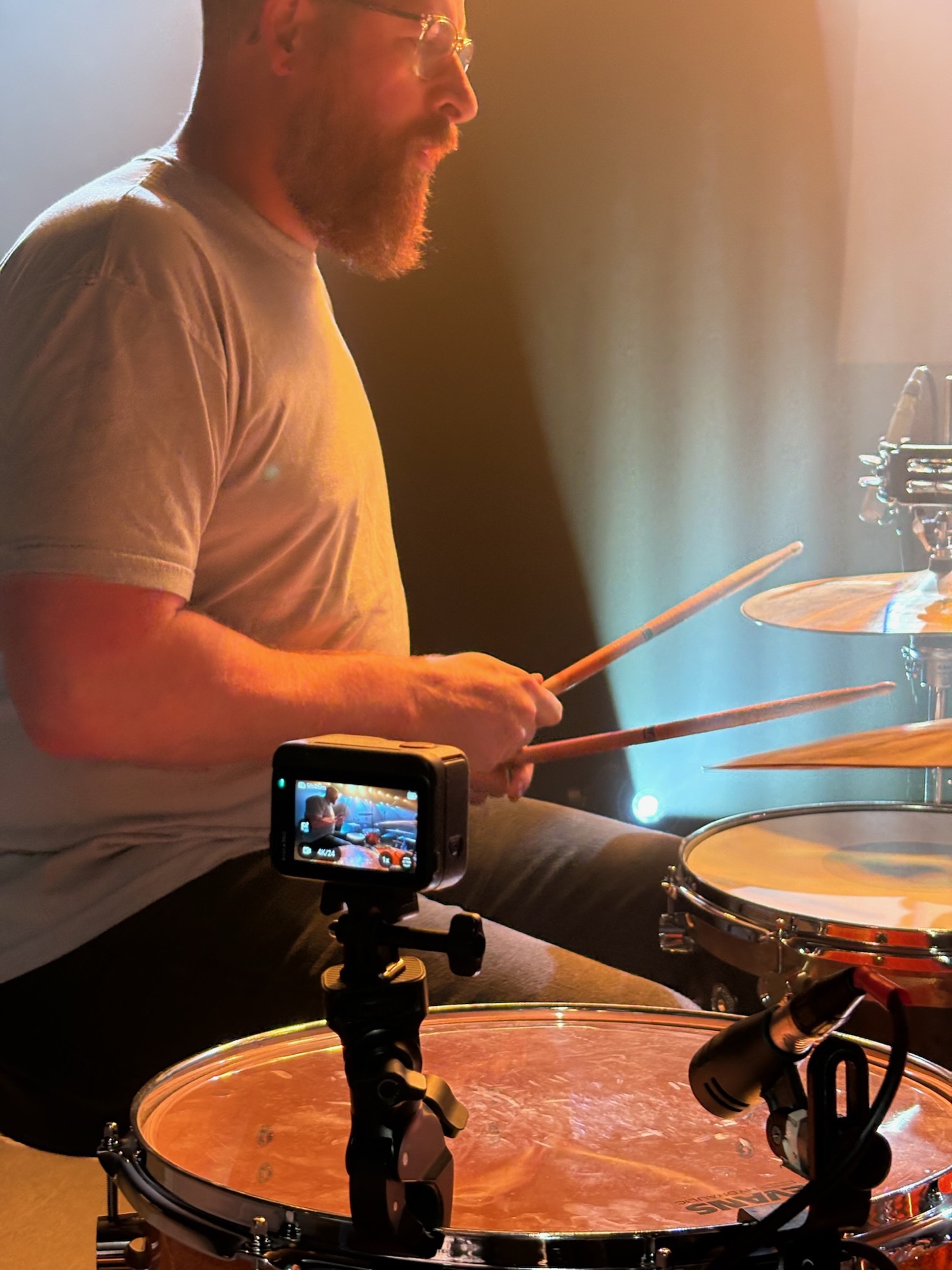
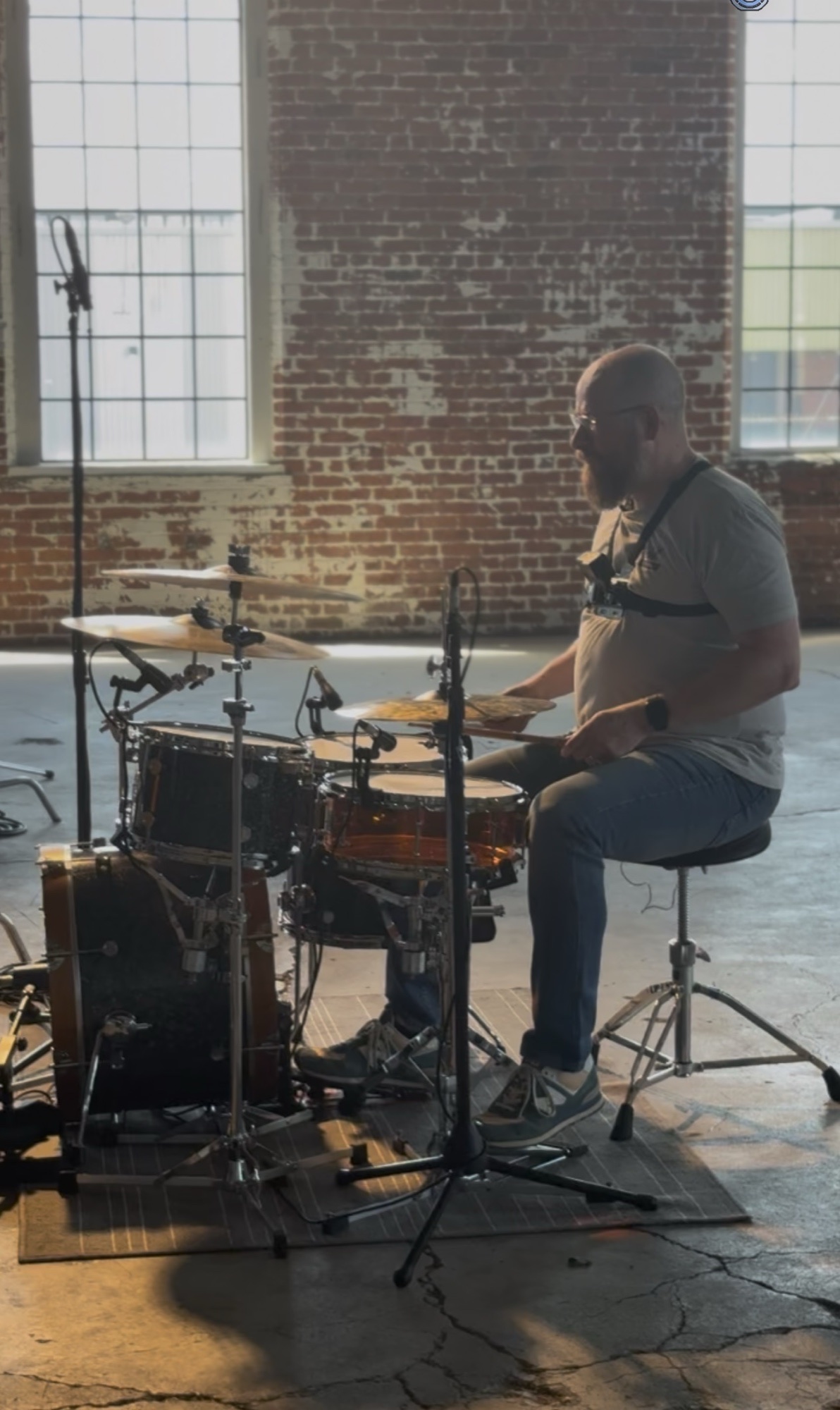
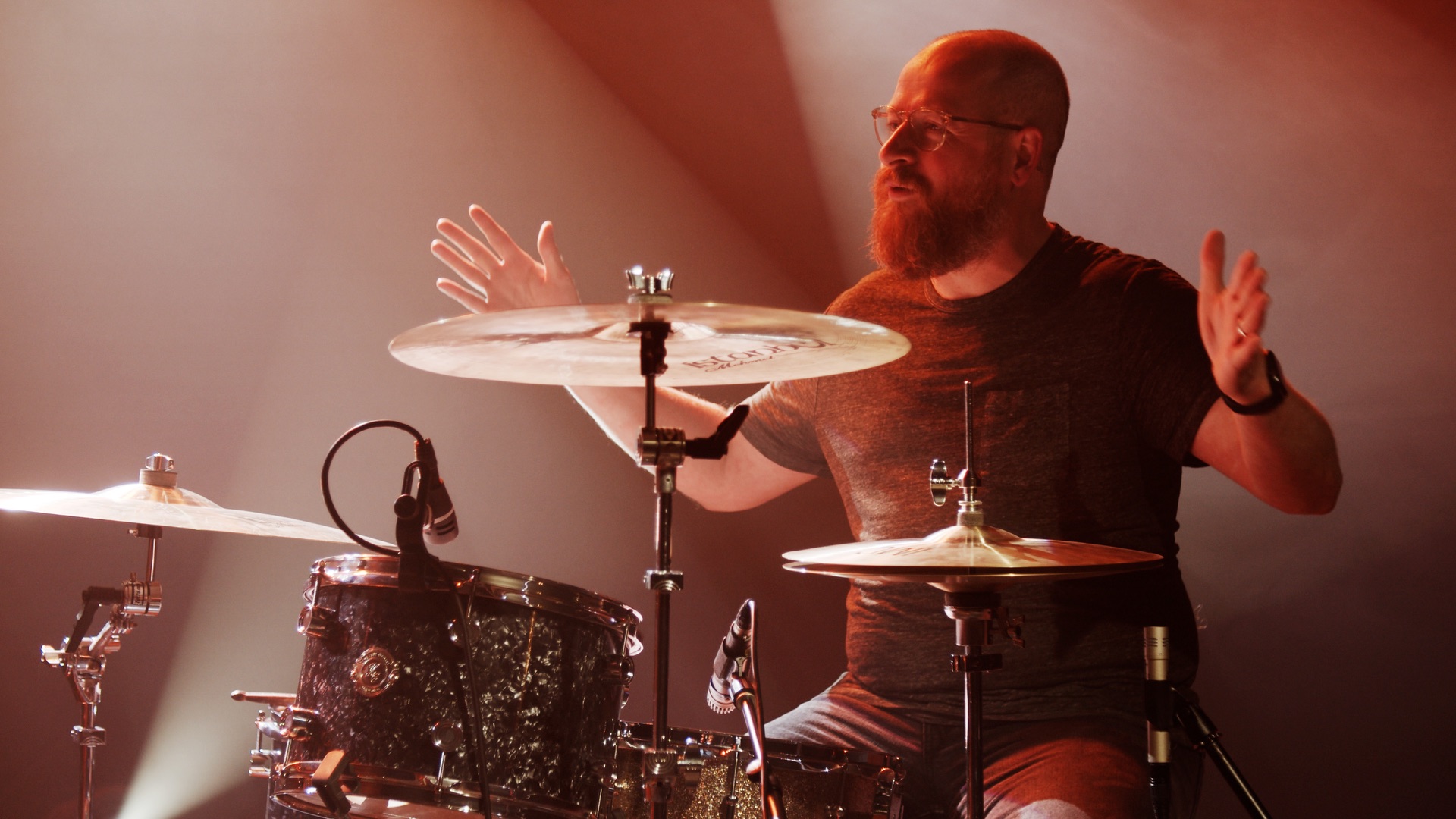
Having tight windows to film, we focused on maximum coverage, planning sessions to be shot from every useful angle at once (including a pair of Meta Ray-Bans, which proved handy). This way, a single day in the room could feed more than one episode. We clamped cameras to the kits as well as the drummers, so the footage lived where the playing did.
Adam wore a chest cam, so we always had the guest from his eyeline. On a couple of takes we sat him behind Meta Ray-Bans (he wears glasses anyway), which added a frantic POV direct from the drummer’s eyes – which turns out is remarkably different than a POV from the chest.
The 360° in between
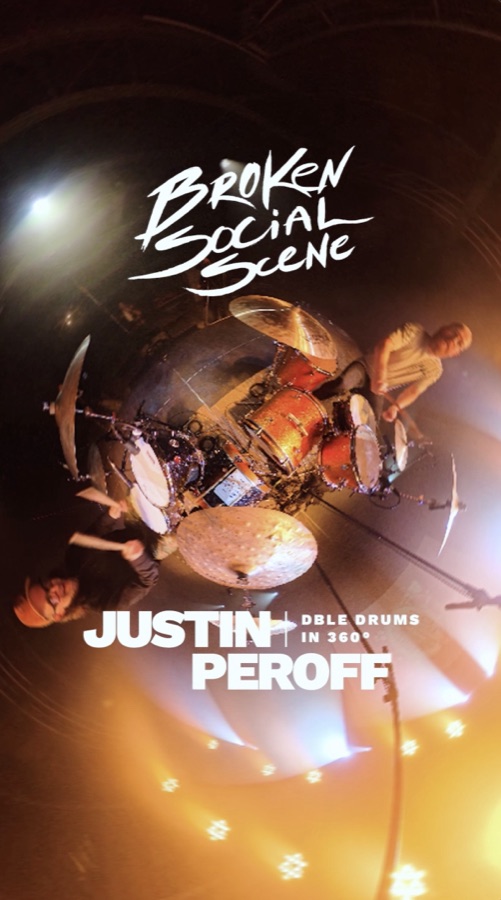
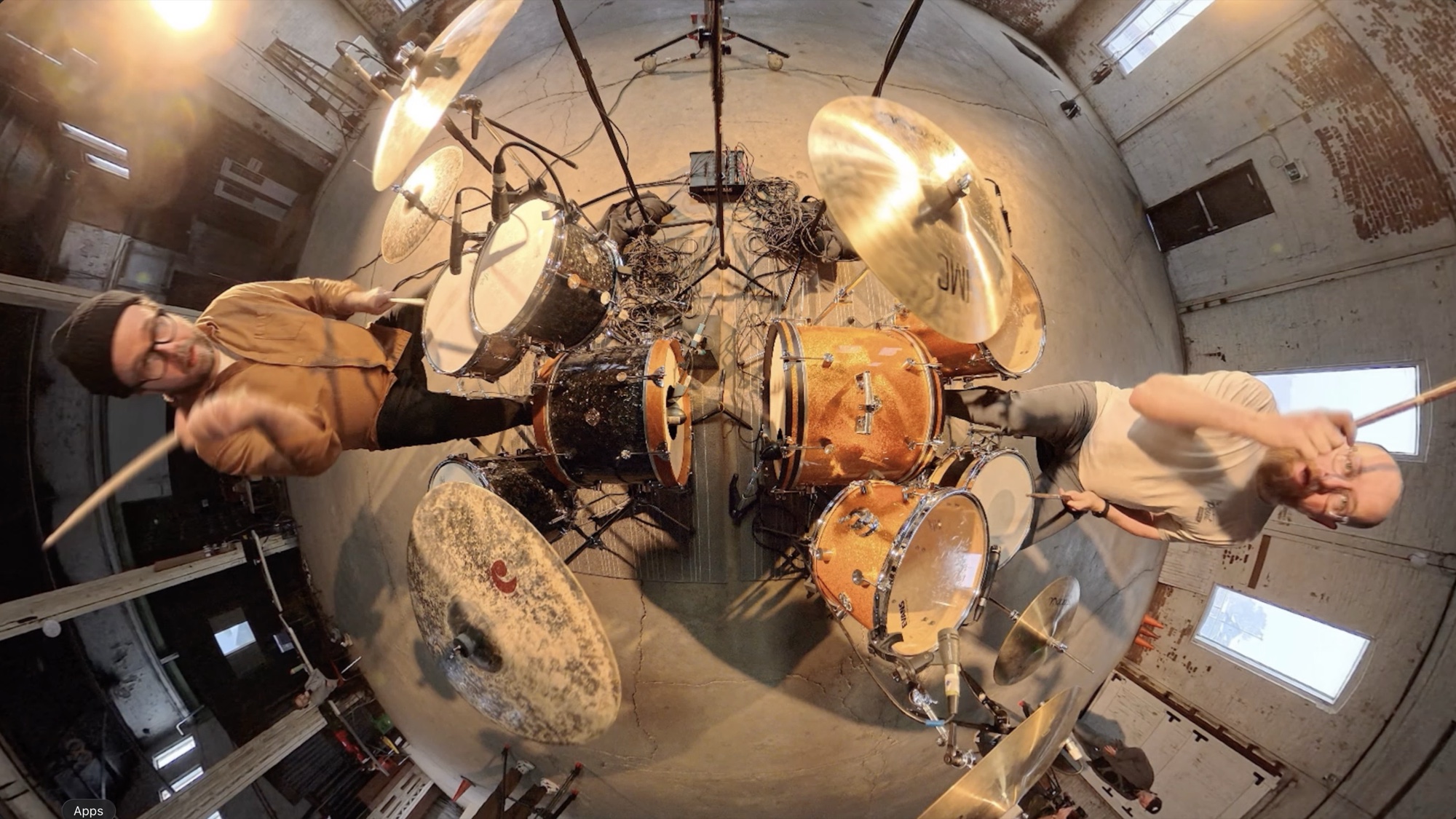
Every episode ends the same way: Adam and the guest stop talking and just play, two kits locked in harmony. We put a 360 camera dead-center between them during sessions. That goes out on its own as the midpoint drop of every two-week cycle. Viewers can drag to look around, turning from one player to the other, zooming in on specific fills and hits to get a sharper sense of how they’re played. As a side note, I’m increasingly blown away by how versatile and capable 360° video has gotten since my days shooting on the Nokia Ozo.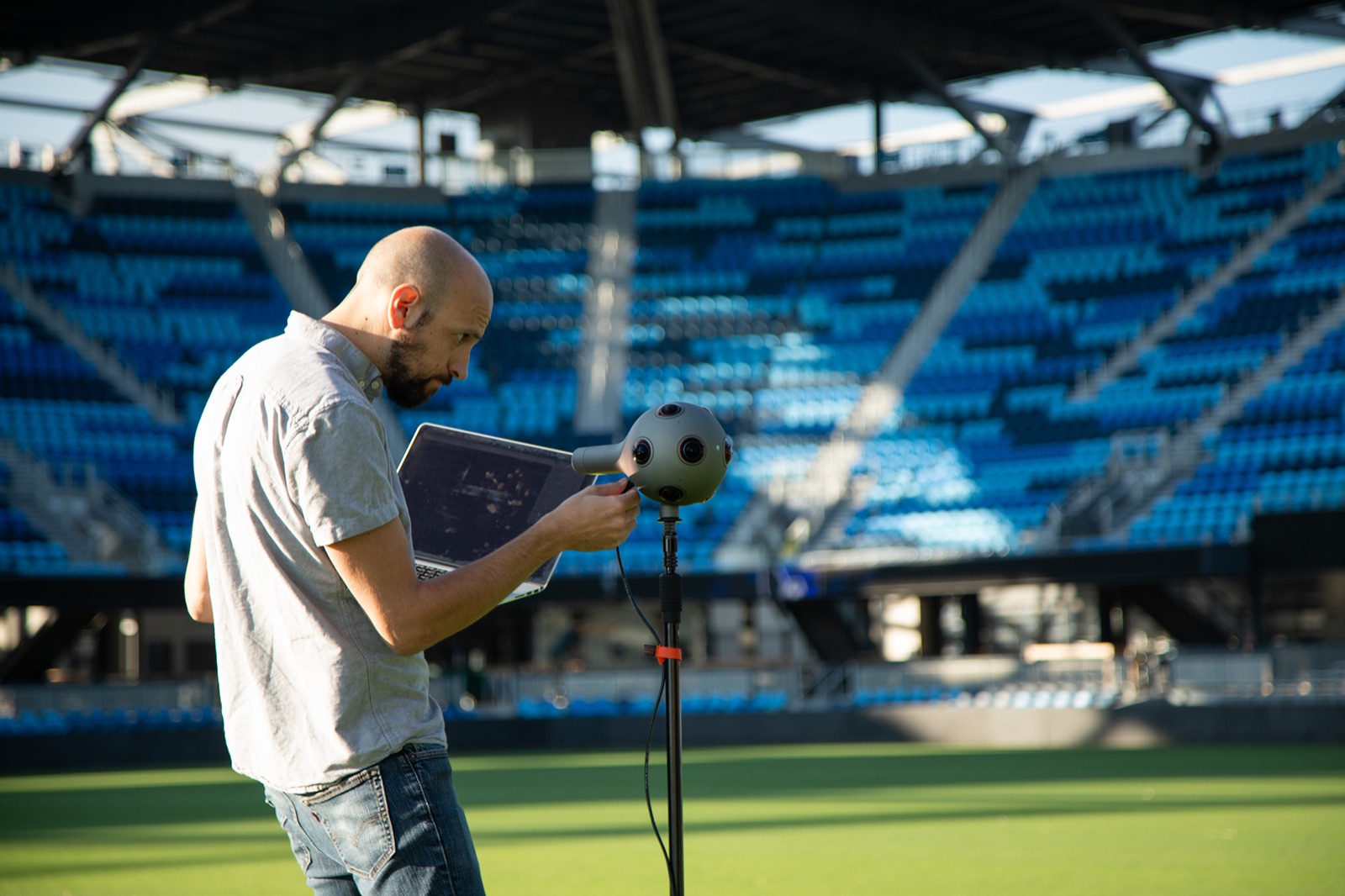
Shoot once, release many many times
The show settled into a two-week guest cycle. As editor and everything post-production (except the drum mixing, which we hired our very talented sound recordists to do), there’s a lot to manage. Everything comes off one shoot: the episode, the trailer, the reels, the 360 video, the teasers, the contest posts (more on that below), and still images. Over time the cadence tightened into a set list we run for every guest:
- Social first. The window opens with a teaser, often something from behind the scenes.
- The episode. The main release lands on YouTube (and podcasts) with a launch trailer cut for social.
- Reels through the fortnight. A run of shorts pulled from key moments in the conversation and the drum session, spaced out so the show never goes quiet.
- 360 at the midpoint. The “you’re in the room” piece to anchor the middle of the cycle.
- Teaser. A sneak peek at the upcoming episode’s guest.
- Contest. Social reels announcing a chance to win signed sticks the guest played in the episode (plus a Drummer to Drummer t-shirt).
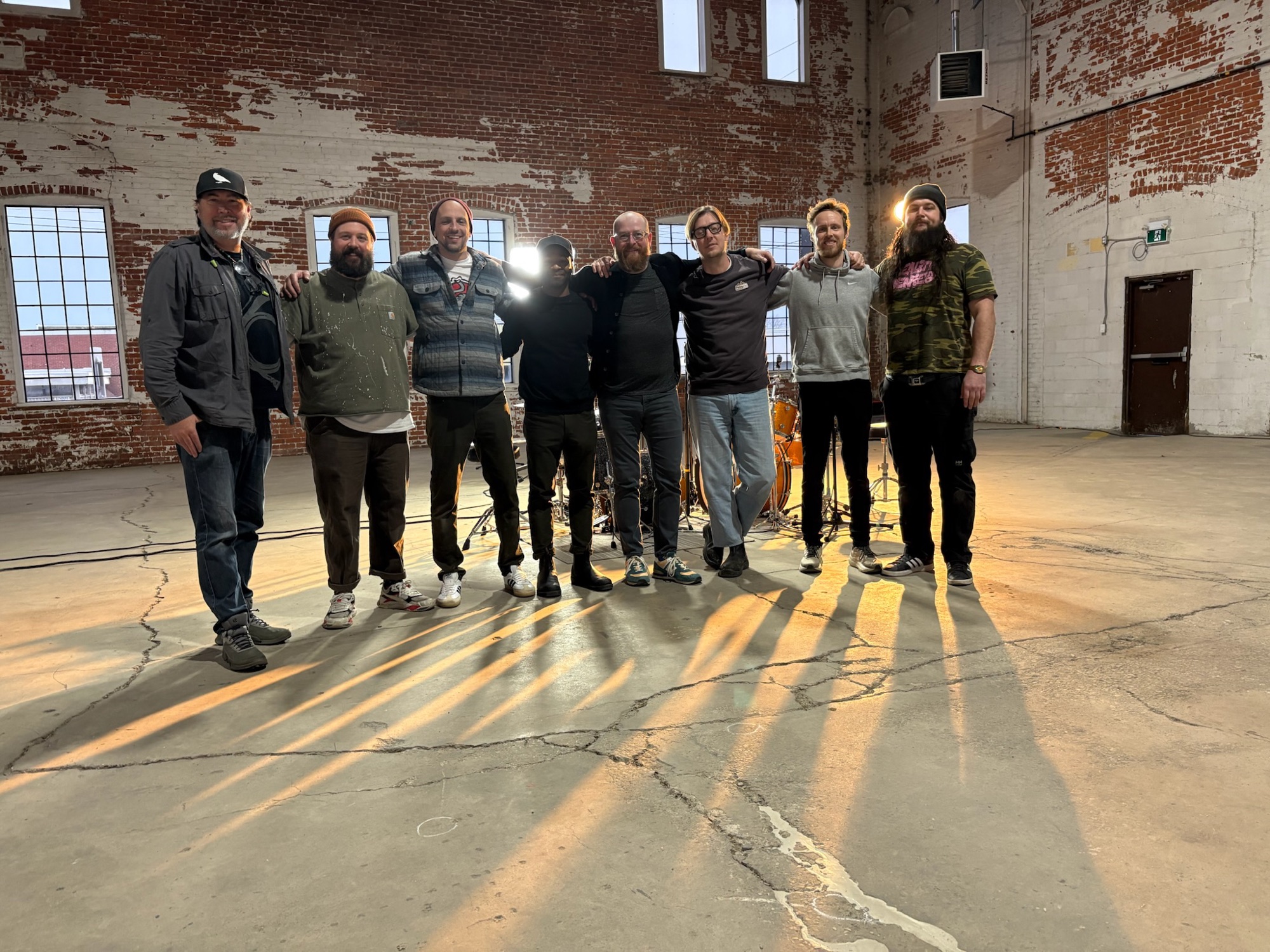
- Carousels & image posts. Behind-the-scenes moments and a group shot thanking our guest.
Two of those reels show up in every single cycle. There’s the conversation kind, built to stop a scroll with a story, and the playing kind – where all those cameras clamped to the kit earn their keep.
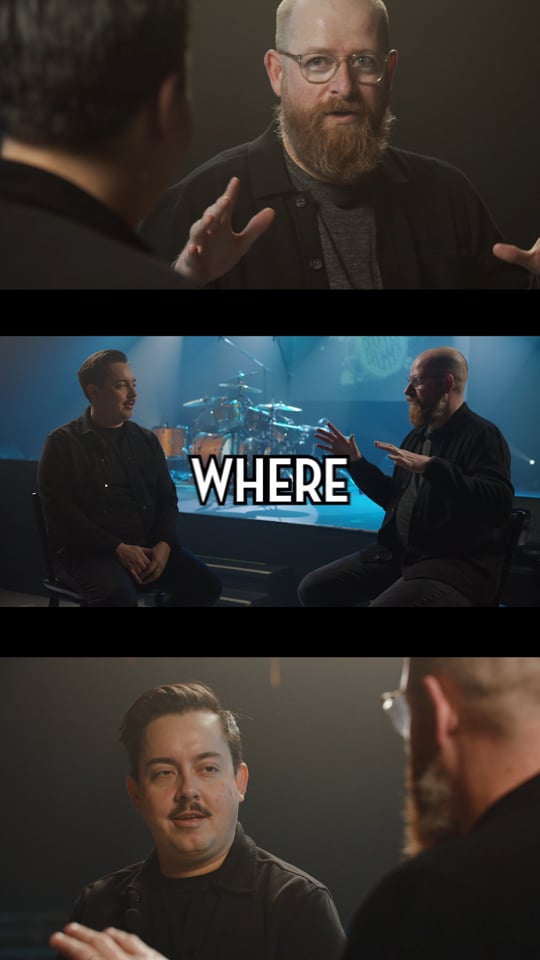
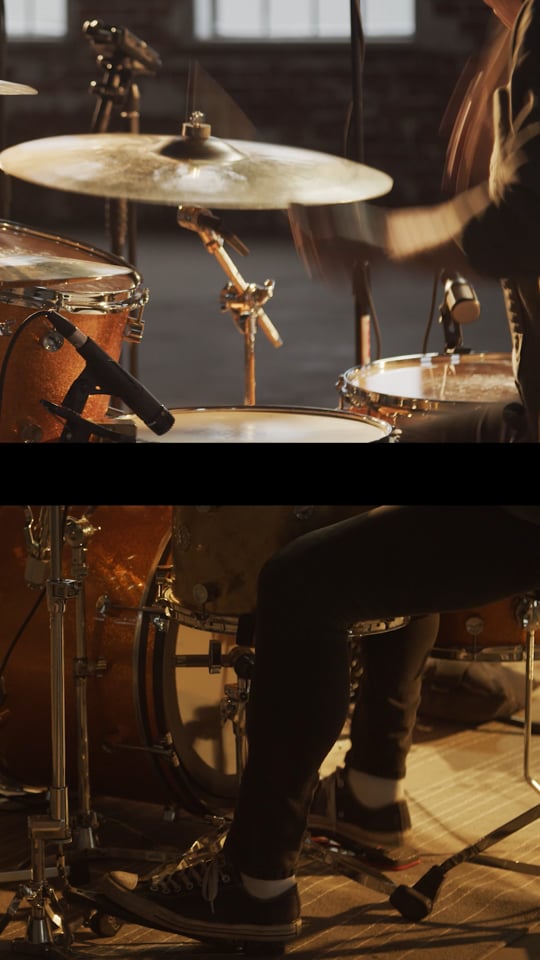
Add it up across 5 platforms and we easily clear 80 unique uploads per month. That fell on me (willingly) to post, run ads on where applicable, and manage social distribution. Nobody works their way out of that by pushing harder. I ended up building an agentic workflow wired into all 5 channels to handle the upload, the tagging, the posting, and to support with thumbnail-gen and caption copy suggestions (by transcribing audio and pulling from my 6 month backlog of posts). I found this workflow better than any social scheduling tool out there, and way better than sending 80 uploads manually through my phone each month (my wife and children concur).
Win the sticks
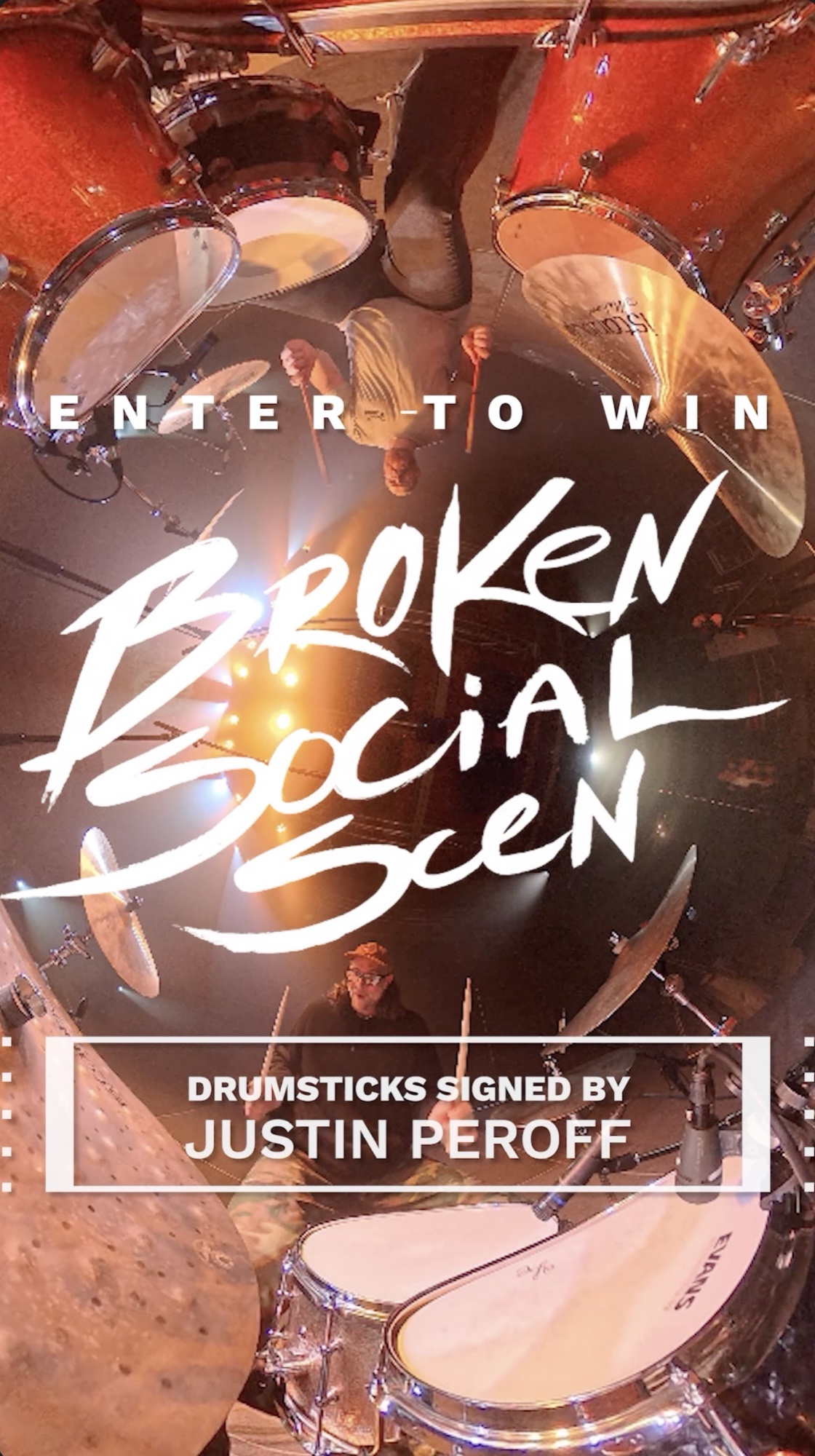
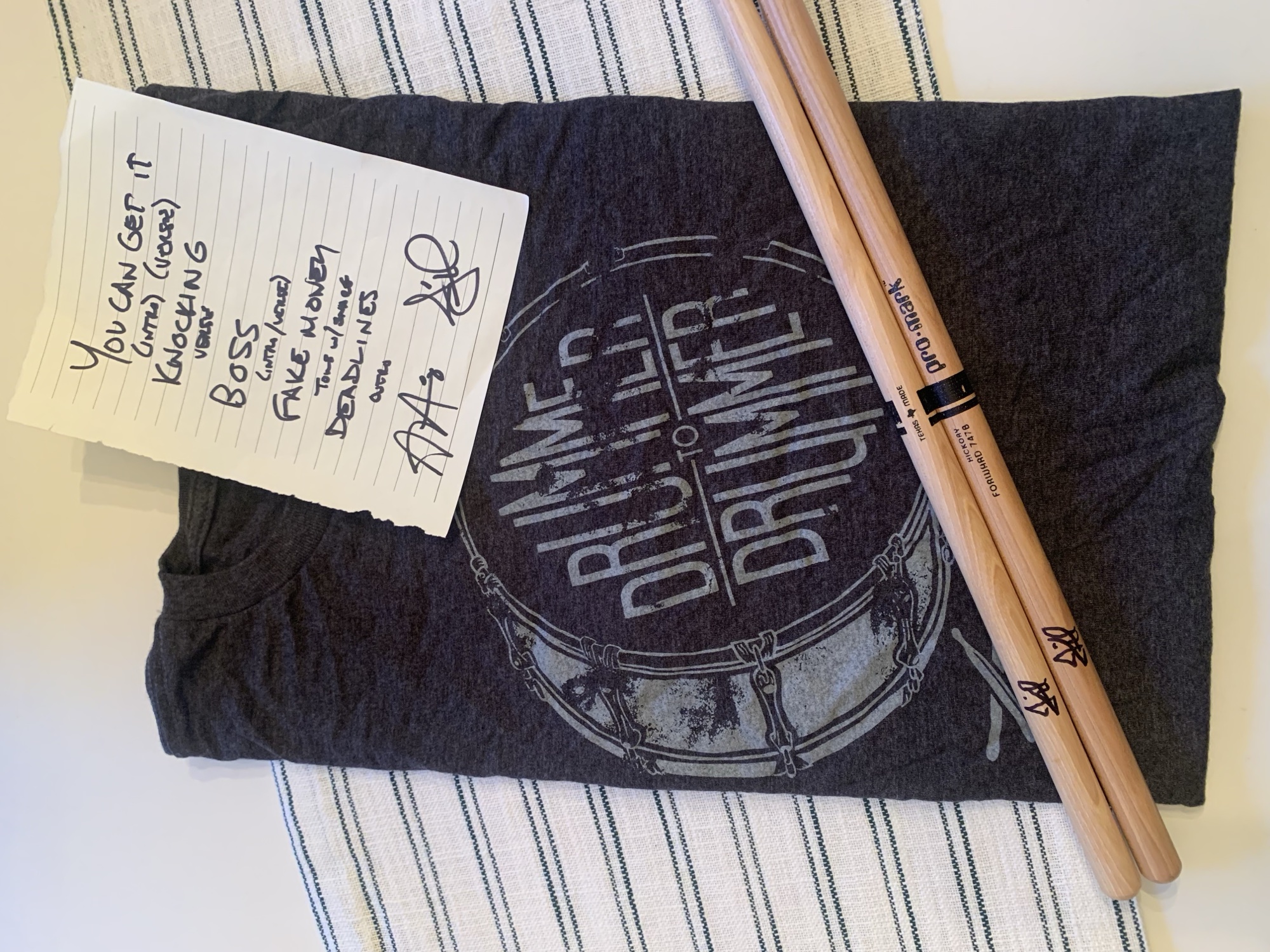
Every cycle ends with a giveaway, and that’s turned into one of our most reliable ways to pull new subscribers. Each guest signs the sticks they actually played with during the session, we add a Drummer to Drummer shirt, and one subscriber wins the set. Sometimes it’s more – Tim Oxford of Arkells and Justin Peroff of Broken Social Scene threw in the handwritten setlists from our double-drumming sessions, signed. It’s something authentic that uniquely connects new subs to both the show and the musician. Nobody else can hand you the sticks that were used on that take, and the people who enter are exactly the kind of people we want for an audience.
Now it’s a podcast too
The conversations always worked with your eyes closed (as did the drumming), so we started cutting audio-only versions and pushing them to Spotify, Apple Podcasts, Amazon Music, iHeartRadio, and more. Same room, more front doors.
What’s next
The show has partners now. We just did a collaboration with Sabian Cymbals for Aurora Evans of Winelips. Not bad for something that was meant to be a weekends-and-evenings project. It’s gotten back to that… slowly, in large thanks to the upload/scheduler agent I put together. Tapping my way through uploads was costing me as much time as editing the show some weeks. More creative output per hour – that’s a win.